Skip to content


How to Wash Your Activewear and Keep Workout Clothes Fresh
- by Brodie Cook
Updated: 12-11-2025
Why Activewear Needs Extra Care
I used to think washing my gym clothes was simple: toss them in with the rest and hit start. But no matter how often I washed them, they still smelled like sweat. Turns out, synthetic activewear fabrics hold odours because they’re synthetic. They’re made to stretch, dry fast, and wick away sweat, but that same design traps oils and bacteria deep inside the fibres.
Did you know that normal laundry detergents can make it worse? They leave a film that blocks moisture-wicking, so the fabric stops breathing and feels sticky after a few wears.
Know Your Fabric Before You Wash
Not all activewear fabrics behave the same. Some hold odour, others lose shape fast if treated the wrong way.
| Fabric Type | Wash Temp | Common Issue | Washing Tip |
|---|---|---|---|
| Polyester | Cold water ≤ 30 °C | Traps body oils and odour | Add one cup of baking soda to help neutralise the smell |
| Nylon | Cold water | Can fray or stretch in heat | Wash on a gentle cycle and avoid rough fabrics like denim |
| Elastane / Spandex | Cold only | Loses stretch in the dryer | Always air-dry flat or on a rack |
| Bamboo / Cotton blend | Warm or cold | Shrinks in high heat | Dry in shade and avoid direct sunlight |
Synthetic workout clothes keep their shape best when washed in cold water and dried slowly.
How to Wash Activewear
1. Rinse or soak first
Rinse your dirty workout clothes or soak them for ten minutes in cold water with a little white distilled vinegar. This helps loosen sweat and body oils that cling to synthetic fabric.
2. Use cold water only
Set your washing machine to cold. Heat can weaken fibres and fade colour in workout clothes. Cold water keeps the fabric strong and helps it dry faster.
3. Add our detergent sheet
One sheet is all you need. It dissolves fast, spreads evenly, and cleans deep without leaving residue. You don’t have to measure or guess the amount. Just toss it in and let it work.
4. Choose a gentle or sportswear cycle
Short, gentle cycles protect, stretch and fit. Avoid long or heavy washes that stress the fibres.
5. Run an extra rinse
An extra rinse clears out any leftover sweat or detergent film, leaving your activewear soft and fresh.
6. Keep loads separate
Wash sports bras, leggings, and light gear together. Avoid mixing with towels or denim, which can cause friction and damage.
7. Wash soon after use
Bacteria can double every twenty minutes on damp synthetics. Washing straight after your workout helps stop odours before they set in.
Smart Washing Tips for Better Results
Once you’ve prepped your activewear, a few small adjustments make each wash more effective.
- Use one detergent sheet per load. It dissolves in cold water and spreads evenly through the wash, so every piece gets a deep clean with no residue.
- Don’t overload the washing machine. Overcrowding limits water flow, which means dirt and sweat stay trapped in the fabric.
- Skip fabric softener completely. It coats synthetic fibres, blocking airflow and making sweat dry slower.
- Rinse again if needed. A quick extra rinse removes leftover detergent or sweat salts that cause musty smells.
- Wash sooner, not later. The longer damp clothes sit, the faster bacteria multiply.
Drying and After-Care
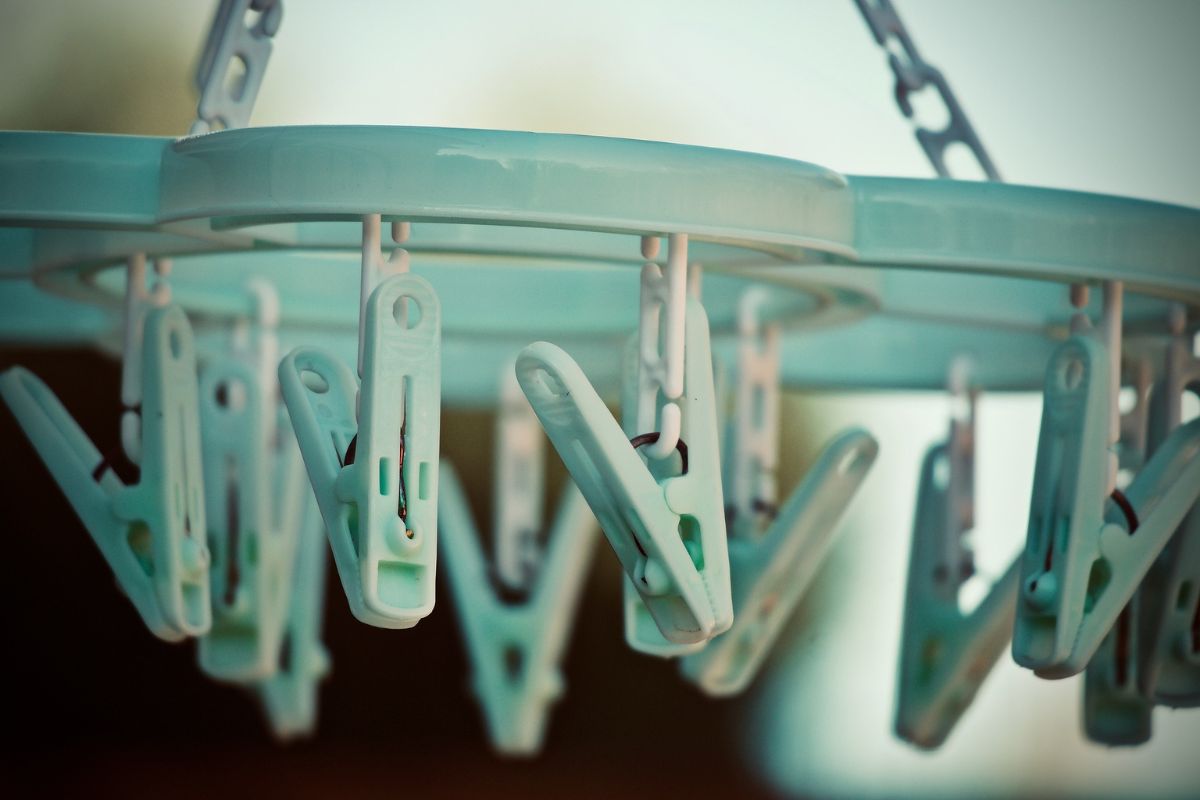
Air-dry your activewear in the shade to protect colour and shape. Direct sun can fade synthetic fabric and weaken elastic fibres over time.
Skip the tumble dryer. Even the lowest heat can damage stretch fibres and reduce the life of your workout clothes. Hang them on a rack or lay them flat in a breezy spot instead.
If you want them to dry faster, roll each piece between clean towels to absorb extra moisture. It’s a gentle way to cut drying time without stressing the fabric.
Never iron or dry-clean synthetic workout clothing. High heat and strong solvents can melt or warp elastic fibres. Once dry, store them folded or hung loosely so they stay fresh for your next session.
Simple Solutions for Activewear Issues
| Problem | Cause | Simple Fix |
|---|---|---|
| Clothes still smell | Wrong Detergent + bacteria buildup | Soak in vinegar, rinse cold |
| Pilling | Friction from zips/towels | Wash in a mesh bag |
| Stretch lost | Heat exposure | Cold wash + air-dry only |
| Dull look | Fabric softener film | Rewash with vinegar and the Lucent Globe sheet |
FAQs
What’s the best way to store clean workout clothes?
Store them fully dry in a cool, ventilated space. Avoid sealing them in airtight drawers or plastic tubs. Synthetic fabrics need airflow to stay fresh. Rolling instead of folding reduces creases and keeps elastic fibres from stretching.
Why do my leggings still feel sticky after washing?
Sticky fabric usually means detergent buildup. Run a short rinse cycle with only water or a half sheet of Lucent Globe detergent to flush out residue. Over time, this restores the moisture-wicking layer that makes performance fabric feel smooth again.
How do I keep white activewear bright without bleach?
Soak white items in cold water with baking soda (1 tablespoon per litre) for an hour before washing. It breaks down odour molecules and restores brightness without harsh chemicals.