Skip to content


Are You Using Too Much Laundry Detergent?
- by Brodie Cook

Have you ever poured detergent into the cap and felt unsure how much to use? The little lines are hard to spot, so we add a bit extra to make sure the load comes out clean. It feels harmless. After all, we’re taught that a bigger squeeze equals a stronger wash.
But adding more detergent doesn’t improve your clean. It often does the opposite. Extra product makes the washing machine work harder to rinse your clothes properly. When the washer can’t remove the detergent fully, fabrics pick up leftover product instead of losing dirt. They can feel rough or smell like damp laundry, even after a wash.
It’s not your laundry habits that created this issue.
The real problem begins at the plastic bottle.
Why We Use Too Much Detergent Without Realising

Overusing detergent isn’t just a laundry mistake. It adds up to real money, wasted product, and shorter machine life. The scale of the problem becomes easy to see once you look at how much households pour out every year.sh and leave sticky material behind inside the drum and on your clothes.
Big Bottles, Bigger Waste in the US
Most liquid detergent caps hold far more than a normal wash needs. Charlie’s Soap found that many measuring cups on bottles are ten times larger than the correct amount, and independent home tests show that filling the scoop to the top can shrink a “70-load” box into only 23 to 24 washes.
Families wash often, which magnifies the waste. According to Money Talks News, citing the California Energy Commission, the average American family completes about 400 loads of laundry each year.
If a household uses just twice the recommended dose, for example four tablespoons instead of two, they waste:
- about 200 extra tablespoons of detergent per year
- roughly 100 ounces of product
- around 25 US dollars in detergent without gaining better cleaning performance
Instead of helping, excess detergent creates more foam that leaves sticky residue on clothes and inside the washing machine. High-efficiency washers are especially affected because they use less water and cannot rinse away the buildup easily.
Australia: We Overpay for Suds We Don’t Need
CHOICE testing shows that many detergents still deliver a strong wash when you use much less than the recommended dose. Their reviews explain that you can often use half the amount on the package and still get excellent cleaning results. The detergent scoop or cap should be treated as a guide, not a rule.
- Using a reduced dose helps a bottle last much longer
- Cutting the amount can lower your cost per wash
- Less detergent helps prevent scrud, a waxy buildup that damages washers
Using less detergent does not reduce cleaning power. It reduces waste, machine wear and unnecessary spending.
What Happens When You Use Too Much Detergent?
When a wash contains more detergent than the water can break down, part of it sticks to fibres instead of removing grime. Over time, this creates a layer of detergent residue that traps sweat, oils, and odours. Clothes can feel stiff or waxy, and some garments even show marks that look like stains from dirt, even though it’s leftover detergent.
The washing machine doesn’t escape the buildup either. Extra product clings to the inside of the drum and hoses, turning into a glue-like film that attracts bacteria and mould. The machine then needs to work harder to rinse each load. If the residue reaches internal parts, it can create mechanical strain and early repairs, especially in high-efficiency washers that use less water.
This is why many people turn to laundry stripping when their clothes start smelling musty. The issue isn’t dirty laundry. It’s layers of detergent that were never rinsed away.
Why Laundry Detergent Sheets Stop Overuse Automatically
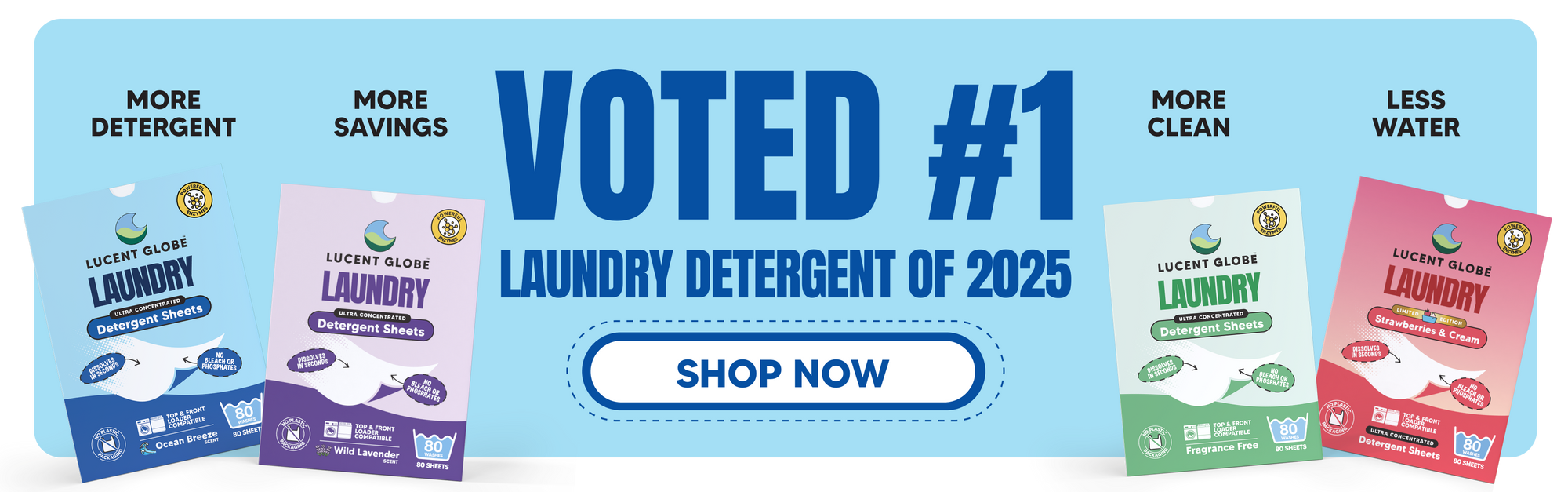
The easiest way to avoid using too much detergent is to remove measuring completely. Laundry detergent sheets are pre-measured, so every sheet contains the exact amount a load of clothes needs. You don’t have to guess or search for a tiny line on a cap. One sheet for a regular wash, two for heavy soil. The product controls the dose, not guesswork.
Because the formula is highly concentrated, it delivers cleaning power without excess foam. The sheet dissolves cleanly in both soft water and hard water, which prevents detergent buildup and helps washers rinse properly. Less foam means fewer residues, fresher fabrics, and less strain on the machine.
What Sheets Do Better Than Liquid Detergent
- Pre-measured dose means you can’t overuse the product
- No thick liquids that cling to fibres and the drum
- Dissolves in all water types with no leftover sludge
- Less foam helps washers clean and rinse efficiently
- No plastic bottles and no wasted product stuck at the bottom
A regular dose of liquid detergent can equal two to four tablespoons. A sheet uses only what’s needed, and nothing more. That accuracy reduces residue, protects clothes and machines, and eliminates the waste that comes from a plastic bottle.
With detergent sheets, you don’t need to use less.
You simply can’t use too much.
How Much Laundry Detergent to Use If You Don’t Switch to Sheets
If you want to stay with liquid, powder, or pods, the best way to avoid overusing detergent is to use much less than the detergent bottle suggests. Most bottles recommend far more than the washing machine can rinse away. A safer method is to start with half the amount listed on the label, then adjust only if needed.
Liquid Detergent
- Use 1–2 tablespoons for most loads
- Use only 1 tablespoon in high-efficiency washers, which use much less water
- Add a little more only for very dirty clothes
- Soft water requires less detergent, because the cleaning action is stronger
- Hard water may need a small increase, but avoid excess suds that are harder to rinse away
Powdered Detergent
- Use 1–2 tablespoons per load
- Choose the lowest dose that still keeps clothes clean
- Powders can leave residue if you use too much or overload the drum, so measure carefully
- Hard water users may benefit from a water softener to avoid residue buildup
Pods
- Use 1 pod for most loads
- Only use 2 pods for heavy soil or large bedding loads
- Pods are already pre-measured, so adding extras will not clean more
- Too many pods can leave a starchy or wax-like feel, especially on linen and towels
Ditch Guesswork for Good
Laundry shouldn’t feel like a guessing game. If the bottle makes you squint at tiny lines or wonder how much to pour, the problem isn’t your laundry skills. It’s a system designed to make you use more than you need. When you control the dose, your clothes last longer, your machine runs better, and you keep more money in your pocket.
Pre-measured detergent sheets remove that doubt from the wash altogether. Instead of hoping you got the amount right, you can wash every load knowing you used the correct dose. No wasted product. No buildup. No second rinse needed to fix a mistake you never meant to make.
Switching doesn’t change how you do laundry. It removes the part that never made sense.