Skip to content


Can You Wash Underwear With Other Clothes?
- by Brodie Cook

Some households hand wash every pair of undies. Others tip them in with the everyday clothes. Then a website insists on 60°C, your care label says 30°C, and an underwear-only load would barely cover the bottom of the drum. No wonder every rule seems to contradict the last.
Yes, you can usually wash underwear with other clothes. Match colours, washing instructions and soil levels, use the right detergent dose, and dry everything fully. Separate heavily soiled items, delicate lace or silk, and garments that could snag or shed dye onto your undies. Separation alone doesn’t sanitise a load. Detergent, a suitable cycle and complete drying do most of the work, which gives you a hygienic wash without adding loads you don’t need.
When should you wash underwear separately?
Separate underwear when it needs a different wash or could be damaged by other items. Keeping it in its own load doesn’t sanitise it. A normal detergent wash works well for lightly soiled everyday items, so save separate loads for heavily soiled clothes and anything used in food preparation.
| Type of underwear or load | Share the wash? | What matters |
|---|---|---|
| Everyday cotton underwear, T-shirts, pyjamas and ordinary socks | Usually | Similar colours, care limits and soil levels. |
| Towels and bedding | Sometimes, but clothes may be a better match | Heavy towels add friction and lint. Small items can get caught inside sheets. |
| Jeans, exposed zips, hooks or Velcro | Avoid with fragile underwear | Rough fabrics and fastenings can snag thin fabric. |
| New darks or clothes that may bleed dye | Keep away from pale underwear | Colour bleeding can stain the rest of the load. |
| Silk, lace, mesh or an embellished bra | Follow the label | Delicate fabrics may need a gentle cycle, a lingerie bag or hand washing. |
| Kitchen towels and cleaning cloths | Keep separate | Follow the sorting rules in our cleaning-cloth guide. |
| Period underwear | Check the maker’s directions | Absorbent layers can have specific rinsing and product restrictions. |
| Underwear heavily soiled with poo or vomit | Separate | Remove solids into the toilet without shaking the garment. Wear gloves, wash your hands afterwards and follow the advice for that situation. |
For gastro-related soiling, use our guide to washing laundry after gastro. A routine wash and a wash during infectious illness can need different methods.
How to wash underwear in a washing machine
Use a cycle that suits the fabric and soil, with room for the garments to move. These best practices for washing underwear cover the main decisions:
- Check the whole garment. A cotton blend may have stretch fibres or delicate trims. The label applies to the finished item, not just its main fibre.
- Sort and treat stains. Group compatible colours and fabrics. Rinse fresh blood in cold water, then use a fabric-safe stain remover as directed. Treat discharge marks according to the care label and product directions.
- Use a loosely filled mesh bag where needed. It helps reduce snagging and wear and tear. Water passes through, so it doesn’t isolate underwear from the load’s wash water.
- Add detergent at the stated dose. Follow the machine’s load limit for your chosen programme. Packing the drum or bag tightly can leave dirt and residue behind.
- Choose the cycle. Use a normal cycle for sturdy items when allowed, or a gentle cycle for suitable delicates. A quick wash must also suit the load’s size and soil level.
- Remove and dry promptly. Air dry with space between pairs. If you use a dryer, tumble dry at the label’s permitted setting. High heat can weaken elastic; check thick waistbands and gussets are dry before folding.
Add antibacterial care for standard washable underwear
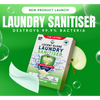
For suitable machine-washable cotton and synthetic underwear, we recommend adding one Sanitiser Sheet alongside detergent for extra antibacterial care.
The benefits for your underwear are:
- Up to 99.9% bacteria on fabric worn close to your body. The added step targets bacteria as detergent removes sweat, oils and dirt.*
- Help with stale or sweaty smells where bacteria contribute. Reducing those bacteria can help tackle part of the odour problem. Soil removal and drying still matter.
- Antibacterial care within suitable cold or warm wash limits. You can keep to those care instructions without turning up the heat just to add this step.
Put one sanitiser sheet directly in the drum with your detergent, run the suitable cold or warm wash, then dry fully. Our laundry sanitiser vs detergent guide explains their different jobs.
What temperature should you use to wash underwear?
Got pairs labelled 30°C, 40°C and 60°C? For an ordinary mixed load, choose 30°C, as long as their colours and cycle requirements also match. Those numbers are maximum temperatures, not minimums. Washing cooler keeps the load within the lowest limit and helps protect heat-sensitive elastic and trims.
Lucent Globe Detergent Sheets work in cold water, so you can use them for this cooler wash.
If heavily soiled items or illness-specific advice call for a hotter routine, wash those separately within their care limits.
A T-shirt labelled 40°C cannot make underwear labelled 30°C suitable for the hotter setting. Choose a programme that suits both, or separate them. Our guide to sanitising laundry without bleach explains the wider options.
What detergent should you use for underwear?
For everyday cotton and sturdy synthetic fabrics, we recommend our Laundry Detergent Sheets. Current directions specify one sheet for an 8kg wash and half a sheet for a 4kg half load. Check your pack when dosing.
If fragrance bothers your skin, choose the Fragrance Free detergent. Fresh Breeze sanitiser is scented, so leave it out if fragrance triggers irritation. Combining the two products does not make a fragrance-free wash.
What’s the best way to hand wash underwear?
Hand wash silk or lace when the label calls for it. You don’t need to hand wash your underwear before every machine wash; stain treatment or removing heavy soil is a separate job.
- Fill a clean basin with water at the label’s permitted temperature.
- Add a suitable detergent at its hand-wash dose.
- Gently move the garment through the water and work the gusset with your fingers. Avoid harsh scrubbing.
- Soak only if the garment and detergent directions allow it.
- Rinse well until the fabric no longer feels soapy.
- Press out water in a clean towel without twisting. Dry flat or on a rack as directed.
Do not apply the machine-wash sanitiser routine to hand washing without confirmed directions.
How should you store underwear?
Clean underwear: put it away fully dry in a clean, dry drawer. Check thick seams first. Folding or rolling is a matter of space; keeping damp fabric out matters more.
Worn underwear: use a ventilated basket. Let damp or pre-rinsed pairs dry before adding them, and deal with heavy soiling promptly. Follow special-care instructions for items such as period underwear. There is no universal number of days that suits every household.
How often should you wash underwear?
Wash after each wear, wear a fresh pair daily, and change sooner if wet, very sweaty or soiled.
That doesn’t mean running the machine daily. With only a few pairs, add them to the next compatible clothes wash or use a suitable small-load programme. Proper underwear care doesn’t require waiting for a full drum of undies or rewearing used pairs to make up a load.
Lucent Globe Laundry Sanitiser Sheets have been independently tested by TÜV under ASTM E2274-24, demonstrating a 99.9% reduction in Staphylococcus aureus and Escherichia coli (E. coli) under the laboratory test conditions. This bacterial test does not establish effectiveness against fungi or viruses, clinical benefits or odour-removal performance. Use as directed.